Signalwise Picks
Browse
Wired networking

Xfinity Gateway Bridge Mode vs Buying Your Own Router

Current retailer option

ARRIS SURFboard S33 DOCSIS 3.1 Cable Modem

Open the named ARRIS SURFboard S33 DOCSIS 3.1 Cable Modem listing to compare the live price, availability, delivery, seller, and returns.

Bridge mode can keep the ISP gateway while letting a better router or mesh system handle Wi-Fi, but support and feature tradeoffs matter.

Prepared by the Signalwise Picks editorial deskUpdated July 28, 2026

Quick answer

The practical answer

When an ISP gateway and a separate router both route the network, double NAT, port-forwarding confusion, and unstable gaming or VPN behavior can appear.

Direct answer to the buying question

Should you put an Xfinity gateway in bridge mode when adding your own router?

Use bridge mode when the Xfinity gateway should remain the modem but one separate router should own routing and Wi-Fi. Confirm the gateway model and support path first, because bridge mode turns off its private Wi-Fi routing functions and changes Advanced Security, extender, and personalization behavior. Keep only one router in charge after the change.

Page structure updated August 13, 2026Evidence checked July 28, 2026Reconfirm exact model and current terms
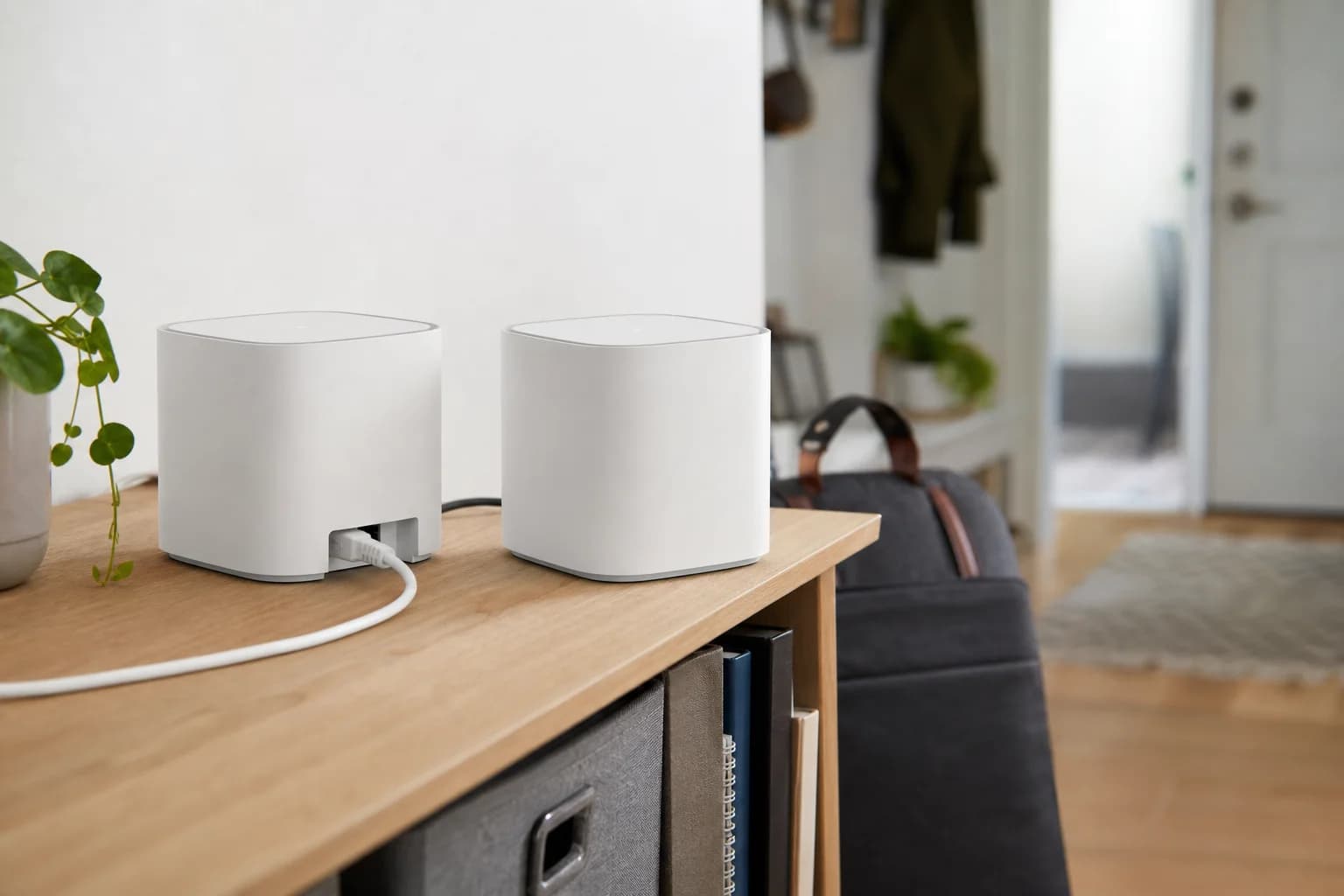
Home router and mesh equipment arranged for an ISP gateway bridge-mode versus own-router decision
Editorial image for visual context; device appearance and configuration can vary by model and region.

Bridge mode is for double-router problems

When an ISP gateway and a separate router both route the network, double NAT, port-forwarding confusion, and unstable gaming or VPN behavior can appear.

A standalone modem removes the gateway layer

Buying an approved modem-only device can be cleaner than bridging a rented gateway, but only when the provider, speed tier, voice service, and support expectations allow it.

Bridge mode can change gateway features

Provider Wi-Fi, app controls, hotspot features, parental controls, and troubleshooting flows may change after bridge mode. Note those tradeoffs before changing settings.

Keep one router in charge

Whether the buyer keeps the gateway, bridges it, or buys a modem, the goal is the same: one device should own routing, DHCP, firewall, and Wi-Fi planning.

Primary sources

References used for this guide

Buying framework

What to check before you choose

Checklist

  • Map the modem or ONT location, office desk, TV area, and any rooms that need wired stability.
  • Check WAN/LAN port speeds, wired backhaul options, and whether your internet plan actually needs Wi-Fi 7.
  • Count fixed devices separately from phones, tablets, and smart-home gear before buying a bigger system.

Common mistakes

  • Buying the fastest advertised Wi-Fi number while leaving the router in a bad location.
  • Ignoring Ethernet paths that could make mesh nodes, TVs, consoles, or office desks more stable.
  • Choosing a premium router before checking client device support, subscription features, and return path.

Category checks

  • A cheap switch is fine for simple rooms, but port speed and management features matter for NAS or office setups.
  • Cable category should match run length and future speed needs.
  • Adapters and hubs should be checked against laptop charging, display, and Ethernet needs together.

Decision rule

Spend more when coverage, wired backhaul, multi-gig ports, or device count solves a known bottleneck; spend less when placement or one Ethernet run fixes the problem first.

Related guide

Cat6 vs Cat6A vs Flat Ethernet Cable: What to Buy for Home

Choose Cat6, Cat6A, flat cable, or short patch cables by run length, placement, speed target, and damage risk.

Related guide

Home Ethernet Switch Buying Guide: Gigabit, 2.5G and Smart Features

Pick a home Ethernet switch by port count, speed, fanless operation, VLAN needs, desk placement, and room to grow.

Related guide

USB-C Ethernet Adapter vs Dock: What to Buy for a Laptop

Decide between a simple Ethernet dongle, USB-C hub, or full dock by display, charging, laptop support, and desk workflow.

Related guide

Ethernet Stuck at 100 Mbps? Fix Cable, Port or Adapter

Use the negotiated link speed to isolate a bad cable, 100 Mbps port, wall jack, dock, adapter, or auto-negotiation fault before buying new network gear.

Related product guide

ARRIS SURFboard S33 DOCSIS 3.1 Cable Modem

A multi-gig cable-modem buying guide for the S33, including DOCSIS 3.1, its 2.5GbE plus 1GbE port layout, ISP approval risk, and why a separate router is still required.

Related product guide

Motorola MB8611 DOCSIS 3.1 Cable Modem

A modem-only buying guide for MB8611, including the 2.5GbE Ethernet port, DOCSIS 3.1 support, ISP approval checks, and when it is a better value than renting a gateway.

Related product guide

Hitron CODA56 DOCSIS 3.1 Cable Modem

A value-focused CODA56 guide covering DOCSIS 3.1, its 2.5GbE port, no-router/no-Wi-Fi design, ISP compatibility, and why it belongs on a shortlist with S33 and MB8611.

Related product guide

TP-Link Deco BE63 Wi-Fi 7 Mesh System

A source-attributed Deco BE63 research guide comparing independent speed, range, wired-throughput, and satellite-latency findings with official US specifications, hardware-version risks, pack size, and BE67 or BE85 alternatives.

Related comparison

Best Cable Modems for Xfinity, Spectrum and Cox Multi-Gig Plans

Compare ARRIS S33, Motorola MB8611, and Hitron CODA56 by DOCSIS 3.1, 2.5GbE handoff, ISP approval risk, and router pairing.

Related comparison

Best Mesh Wi-Fi for Apartments and Multi-Floor Homes

Compare Deco BE25, BE63, BE67, BE85, eero, Orbi, and travel-router edge cases by pack size, wired backhaul, port speed, and layout risk.

Xfinity Gateway Bridge Mode vs Buying Your Own Router