Signalwise Picks
Browse
Wi-Fi

Deco BE67 vs BE63: One 10GbE Port or Four 2.5GbE Ports?

Current retailer option

TP-Link Deco BE67 Wi-Fi 7 Mesh (2-Pack)

Best for premium wi-fi 7 mesh with a real 10gbe use case. Open the listing to compare the live price, availability, delivery, seller, and returns.

Check current price & availability on Amazon

Current price & availability · purchase link

Review details

Choose BE67 for a real 5Gbps or 10Gbps path; choose BE63 when four 2.5GbE ports per node, equal pack size, and lower total network cost are more useful.

Updated August 8, 2026

BE67 is the faster specification and the only one of this pair with a 10GbE port, but BE63 can be the better-designed purchase for a home built around several 2.5GbE devices. Compare the same pack size, then trace the modem, primary node, switch, backhaul, satellite, and client path before paying for either upgrade.

Quick answer

Start with TP-Link Deco BE67 Wi-Fi 7 Mesh (2-Pack) if your main need is premium wi-fi 7 mesh with a real 10gbe use case. Compare the trade-offs before buying, especially costs more than be63.

Direct answer to the buying question

Choose BE63 for several 2.5GbE devices because every node has four 2.5GbE ports. Choose BE67 when one 10GbE connection per node serves a real WAN, NAS, workstation, switch, or backhaul path; its other ports are one 2.5GbE and one 1GbE, so it is not a universal port-count upgrade.

Page structure updated August 13, 2026Evidence checked July 28, 2026Reconfirm exact model and current terms

Related search answers

How links work: As an Amazon Associate I earn from qualifying purchases, at no extra cost to you.

Prices, availability, shipping, coupons, and seller details can change. Always confirm the current product listing and return policy before buying.
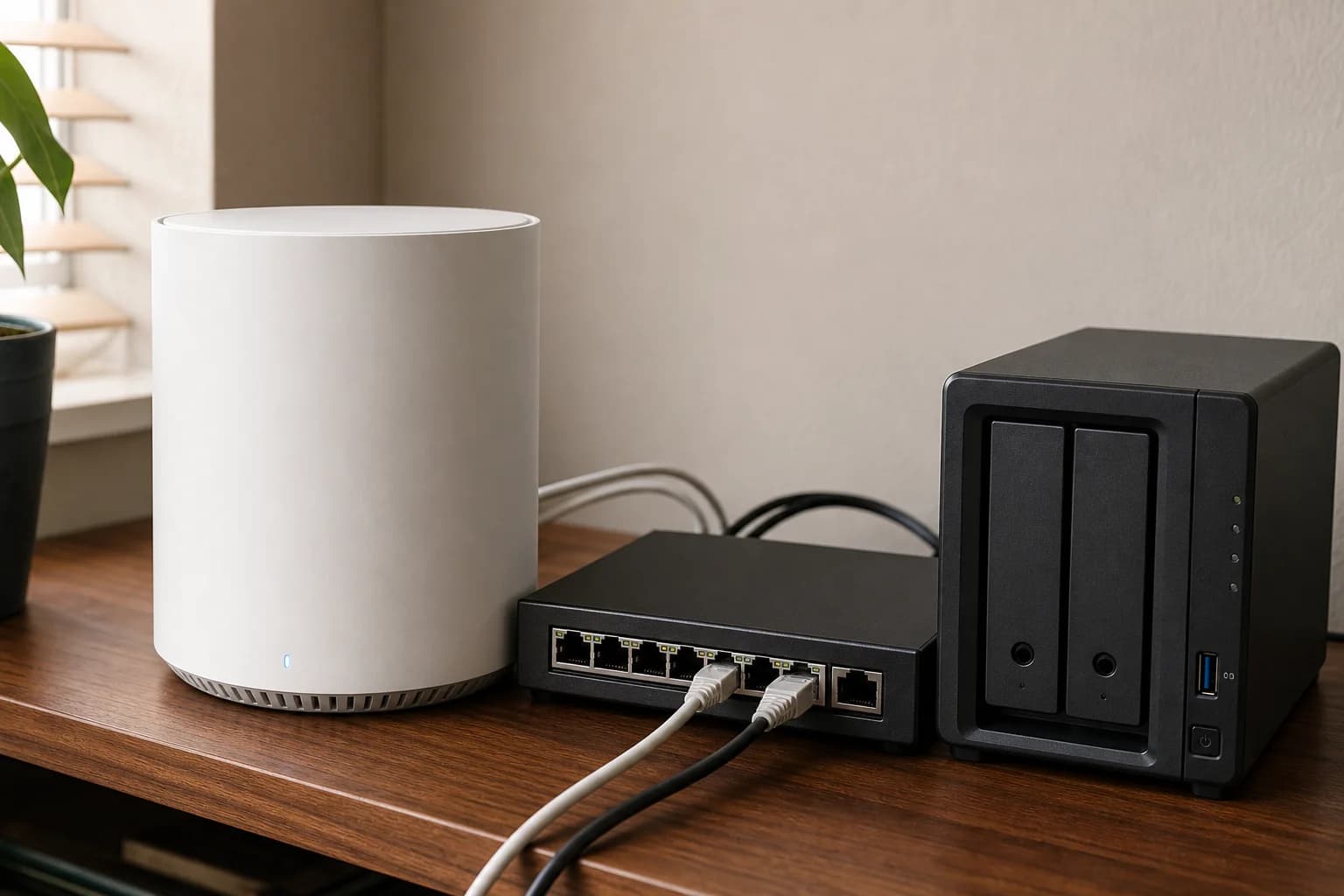
Quick comparison

Start here if you already know the job you need the product to solve.

1

TP-Link

TP-Link Deco BE67 Wi-Fi 7 Mesh (2-Pack)

Best for

Premium Wi-Fi 7 mesh with a real 10GbE use case

Check first

Costs more than BE63

Facts

ASIN B0FQYQRZQX · wifi

2

TP-Link

TP-Link Deco BE63 BE10000 Wireless Tri-Band 2.5G 3-Piece Whole Home Mesh System

Best for

Wi-Fi 7 mesh with 2.5G wired backhaul

Check first

Overkill for small homes with modest internet plans

Facts

ASIN B0CN8QLS4K · wifi

Compare the current options

Match the exact model, bundle, seller, coupon, and return window before choosing between the picks.

PickKey fit detailsExact listingWhat can changeUpdated
TP-Link Deco BE67 Wi-Fi 7 Mesh (2-Pack)Pack: 2-pack · Wireless: BE14000 tri-band Wi-Fi 7ASIN B0FQYQRZQXConfirm ASIN B0FQYQRZQX, model BE67, and two-pack quantity.July 19, 2026
TP-Link Deco BE63 BE10000 Wireless Tri-Band 2.5G 3-Piece Whole Home Mesh SystemProduct type: Tri-band Wi-Fi 7 mesh system · Common listing title: TP-Link Deco BE63 BE10000 Wireless Tri-Band 2.5G 3-Piece Whole Home Mesh SystemASIN B0CN8QLS4KCheck live price and availability on Amazon.July 17, 2026

Quick picks by situation

5Gbps or 10Gbps WAN/NAS

Choose BE67 only when its 10GbE port remains connected to an end-to-end multi-gig path.

Several 2.5GbE devices

BE63's four equal 2.5GbE ports can be more useful than one faster headline port.

Gigabit internet with wired backhaul

BE63 usually leaves more budget for Ethernet, switches, and better node placement.

Heavy wireless backhaul

BE67's higher wireless class can matter when nodes cannot be wired and the layout supports a clean 6GHz link.

Same pack, region and version

Compare equal node counts and confirm the listing, regional hardware, firmware path, and return window.

How to choose without overbuying

When to spend more

Spend more when a larger layout, wired backhaul, multi-gig internet, or many devices are already stressing the network.

When to spend less

Spend less when one well-placed router, an Ethernet run, or a cheaper Wi-Fi 6 mesh kit solves the real coverage gap.

Compare these details first

Home size and wall layout
WAN/LAN port speeds
Wired backhaul options
Subscription and security features

Related setup and buying guides

TP-Link Deco BE67 Wi-Fi 7 Mesh (2-Pack)

TP-Link

TP-Link Deco BE67 Wi-Fi 7 Mesh (2-Pack)

A source-checked Deco BE67 review covering the BE14000 two-pack, 10GbE and 2.5GbE ports, 6GHz backhaul, current firmware, and the network that can actually use it.

Best for: Premium Wi-Fi 7 mesh with a real 10GbE use case

Main caution: Costs more than BE63

TP-Link Deco BE63 BE10000 Wireless Tri-Band 2.5G 3-Piece Whole Home Mesh System

TP-Link

TP-Link Deco BE63 BE10000 Wireless Tri-Band 2.5G 3-Piece Whole Home Mesh System

A source-attributed Deco BE63 research guide comparing independent speed, range, wired-throughput, and satellite-latency findings with official US specifications, hardware-version risks, pack size, and BE67 or BE85 alternatives.

Best for: Wi-Fi 7 mesh with 2.5G wired backhaul

Main caution: Overkill for small homes with modest internet plans

FAQ

Is Deco BE67 worth it over BE63?

It is worth considering for a usable 5Gbps or 10Gbps path, demanding wireless backhaul, or compatible high-end clients. BE63 is usually the better value when the network is built around gigabit or 2.5GbE links.

Which model has the better Ethernet ports?

BE67 provides one 10GbE, one 2.5GbE, and one 1GbE port per unit. BE63 provides four 2.5GbE ports, which can be more flexible for several wired devices.

Do both support wired backhaul?

Yes, but the negotiated speed follows the slowest port, switch, cable, or wall link in the path.

Which should a gigabit home buy?

BE63 normally provides enough headroom and more flexible 2.5GbE connectivity. Pay for BE67 only when there is a specific capacity, coverage, or future multi-gig plan.

Sources and methodology

  • Compare the same pack size and regional hardware version
  • Map every WAN, LAN, switch, backhaul, and client link before using wireless class as the tiebreaker
  • Separate aggregate link rates from measured single-client throughput
  • Treat coverage figures as planning estimates and preserve the return-and-placement test window
Deco BE67 vs BE63: 10GbE or Four 2.5GbE Ports?