Signalwise Picks
Browse
Wi-Fi

One Deco Wi-Fi 7 Unit vs. a Two-Pack: Which Should You Buy?

Choose node count by floor plan, wall loss, wired backhaul, router location, dead zones, and the cost of adding a mismatched extra unit later.

Prepared by the Signalwise Picks editorial deskUpdated July 16, 2026

Best starting point

TP-Link Deco BE25 Wi-Fi 7 Mesh (2-Pack)

Price band: $$

Start with the evidence page for TP-Link Deco BE25 Wi-Fi 7 Mesh (2-Pack), then compare the alternatives against your layout, budget, and compatibility needs.

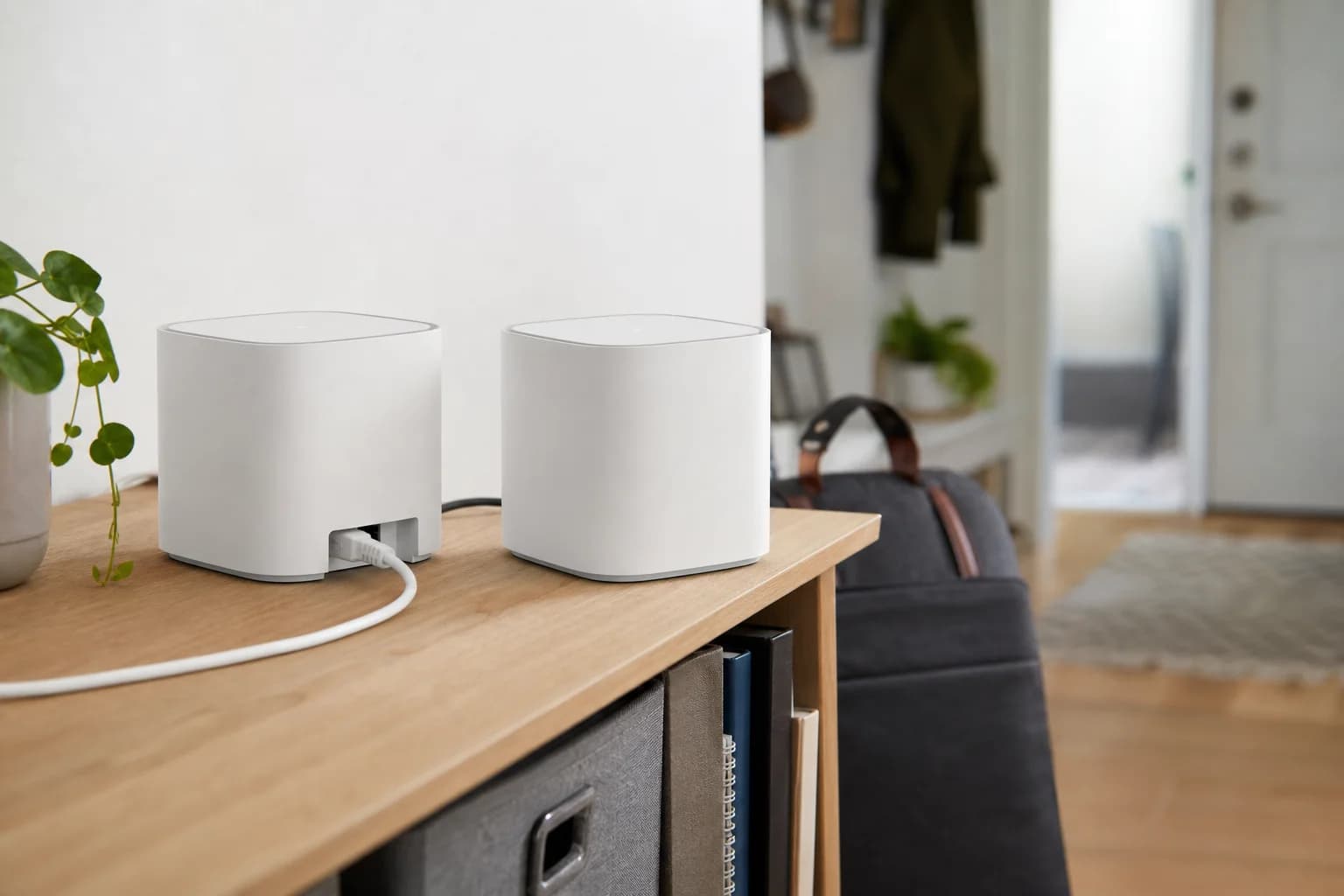
One mesh router in the foreground with a second node in another room
Editorial image for visual context; device appearance and configuration can vary by model and region.

Choose one unit for a known central location

A single unit is sensible when the modem enters near the center, the space is compact, and one current router already reaches most rooms. It avoids an unnecessary wireless backhaul hop and leaves budget for a switch or cable run.

Choose two when the layout creates a real relay job

A second node helps when another floor, long hallway, thick wall, or off-center service entry creates a repeatable weak zone. Place it where it still receives a strong link, not inside the dead zone it is meant to repair.

Wired backhaul changes the decision

Ethernet lets the second node serve a distant room without spending wireless airtime on the inter-node link. Confirm the wall run, switch, and port speeds before paying for a premium backhaul path.

Do not buy square footage alone

Coverage claims cannot describe brick, concrete, metal, neighboring networks, furniture, or vertical layout. Use the current signal map and the return window as part of the node-count decision.

Primary sources

References used for this guide

Buying framework

What to check before you choose

Checklist

  • Map the modem or ONT location, office desk, TV area, and any rooms that need wired stability.
  • Check WAN/LAN port speeds, wired backhaul options, and whether your internet plan actually needs Wi-Fi 7.
  • Count fixed devices separately from phones, tablets, and smart-home gear before buying a bigger system.

Common mistakes

  • Buying the fastest advertised Wi-Fi number while leaving the router in a bad location.
  • Ignoring Ethernet paths that could make mesh nodes, TVs, consoles, or office desks more stable.
  • Choosing a premium router before checking client device support, subscription features, and return path.

Category checks

  • Coverage claims assume ideal rooms; walls, floors, and router placement change the result.
  • Multi-gig ports matter only when the modem, router, switch, and client path can use them.
  • Mesh is easier, but wired backhaul is usually the cleaner long-term upgrade.

Decision rule

Spend more when coverage, wired backhaul, multi-gig ports, or device count solves a known bottleneck; spend less when placement or one Ethernet run fixes the problem first.

Related guide

Mesh Wi-Fi Node Placement Guide: Fix Dead Zones Without Overbuying

Place mesh nodes so they solve coverage instead of repeating a weak signal or tempting you into an unnecessary extra pack.

Related guide

Deco Wi-Fi 7 Model Number Checklist: BE25, BE63 & BE67

Prevent the most expensive Deco buying mistake: comparing the wrong radio class, regional model, pack count, ASIN, or hardware-version listing.

Related guide

Deco BE63 & BE67 Wired Backhaul Port Checklist

Assign WAN, wired backhaul, NAS, switch, desktop, and spare capacity before choosing four equal 2.5GbE ports or a mixed 10GbE layout.

Related product guide

TP-Link Deco BE25 Wi-Fi 7 Mesh (2-Pack)

A value-focused guide to the dual-band Deco BE25 two-pack, its two 2.5GbE ports, wired backhaul, lack of a 6GHz band, and the homes where it makes more sense than BE63.

Related product guide

TP-Link Deco BE67 Wi-Fi 7 Mesh (2-Pack)

A 2026 Deco BE67 review covering the BE14000 two-pack, 10GbE and 2.5GbE ports, 6GHz backhaul, current firmware, and when it is worth paying more than BE63.

Related product guide

TP-Link Deco BE63 Wi-Fi 7 Mesh System

A research-based TP-Link Deco BE63 review covering BE10000 specs, the 3-piece wireless tri-band Wi-Fi 7 mesh listing, 2.5G ports, Deco 7 Pro BE63 naming, wired backhaul, and BE67 or BE85 alternatives.

Related comparison

Best Deco Wi-Fi 7 Mesh for Wired Backhaul

Choose Deco BE25, BE63, or BE67 by Ethernet port count, 6GHz needs, pack size, switch speed, and the WAN-to-satellite path the home can actually use.

Related comparison

Best Mesh Wi-Fi for Apartments and Multi-Floor Homes

Compare Deco BE25, BE63, BE67, BE85, eero, Orbi, and travel-router edge cases by pack size, wired backhaul, port speed, and layout risk.

Related comparison

Best Mesh Wi-Fi for 2.5Gbps Internet: 4 Practical Picks

Compare four Wi-Fi 7 mesh systems by 2.5GbE ports, 6GHz, 10GbE paths, wired backhaul, node count, client mix, and real upgrade value.